
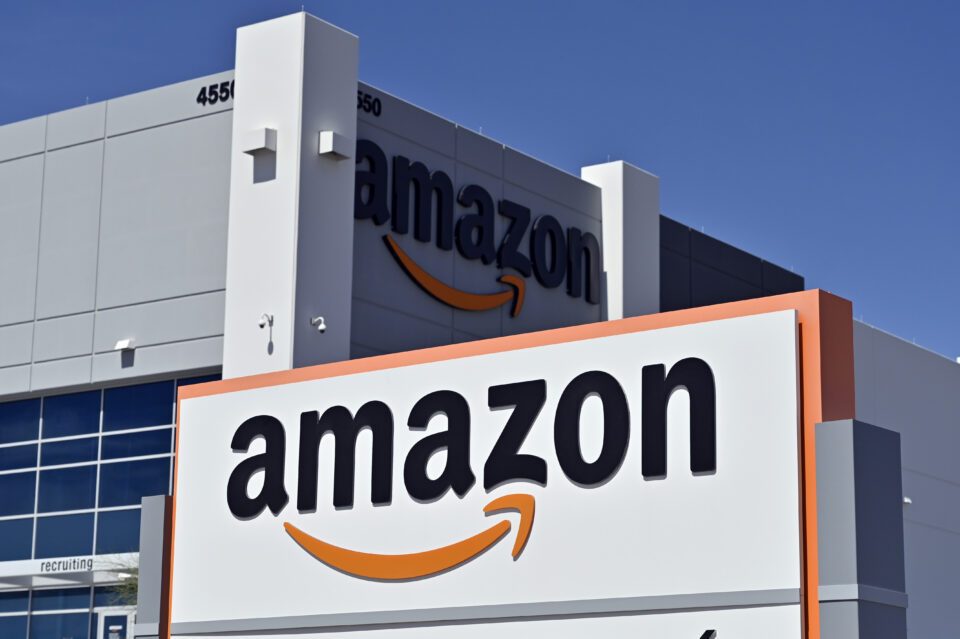
Amazon’s story is often told as a classic Silicon Valley success tale, but its true significance goes far beyond e-commerce. What began in 1994 as a modest online bookstore has grown into a global technology powerhouse that touches almost every aspect of modern life—from how people shop and watch content to how businesses store data and run software.
Founded by Jeff Bezos in a garage in Seattle, Amazon was built on a long-term vision rather than quick profits. Bezos famously prioritised customer experience, scale, and infrastructure over short-term earnings—an approach that shaped Amazon’s culture and ultimately redefined global commerce.
From Books to “Everything Store”
Amazon started with books for a simple reason: they were easy to catalogue, ship, and scale online. But Bezos always envisioned something much bigger an “everything store” where customers could buy almost anything with a few clicks.
Over the years, Amazon steadily expanded into electronics, apparel, groceries, home essentials, and digital goods. Its marketplace model allowed millions of third-party sellers to list products, turning Amazon into a platform rather than just a retailer. Today, third-party sellers account for a majority of items sold on Amazon, making it one of the world’s largest small-business ecosystems.
Customer Obsession as a Strategy
One of Amazon’s defining traits is its relentless focus on customers. Fast delivery, easy returns, competitive pricing, and an ever-expanding product range have made Amazon synonymous with convenience.
Services like Amazon Prime changed consumer expectations globally. What began as a paid shipping programme evolved into a bundled ecosystem offering video streaming, music, exclusive deals, and faster logistics. Prime didn’t just increase customer loyalty it locked users into Amazon’s ecosystem.
The Quiet Power of Amazon Web Services
While Amazon is best known as a shopping platform, its most profitable and strategically important business is Amazon Web Services (AWS). Launched in 2006, AWS pioneered cloud computing by allowing businesses to rent computing power instead of building expensive infrastructure.
Today, AWS powers startups, enterprises, governments, and global corporations. It has become the backbone of the internet economy, generating a significant share of Amazon’s operating profits and giving the company financial resilience even when retail margins are thin.
Innovation Beyond Retail
Amazon’s ambition has never been limited to selling products. The company has invested heavily in logistics, artificial intelligence, robotics, voice technology, and entertainment.
- Alexa and Echo devices pushed voice assistants into mainstream households
- Amazon Studios turned the company into a major player in global entertainment
- Robotics and automation reshaped warehouse operations and supply chains
Amazon’s ability to combine data, technology, and scale allows it to enter new industries faster than most competitors.
India and Emerging Markets
In markets like India, Amazon has played a key role in accelerating digital commerce. Heavy investments in logistics, seller enablement, and digital payments helped onboard millions of small businesses and first-time online shoppers.
Although competition remains intense, especially from local players, Amazon continues to view emerging markets as long-term growth engines rather than short-term profit centres.
Criticism and Challenges
Amazon’s scale has also attracted scrutiny. Regulators, labour unions, and governments across the world have raised concerns about market dominance, worker conditions, data usage, and competition practices.
The company faces growing pressure to balance innovation with responsibility, especially as regulators tighten oversight of big technology firms.
The Amazon Playbook
What truly sets Amazon apart is not a single product or service, but its operating philosophy:
- Think long term
- Invest ahead of demand
- Build infrastructure before profits
- Use technology to lower costs and improve speed
This playbook has allowed Amazon to disrupt multiple industries while remaining flexible enough to reinvent itself repeatedly.
Why Amazon Still Matters
Amazon is no longer just an e-commerce company it is a global infrastructure provider, media company, logistics giant, and technology innovator rolled into one. Its decisions influence consumer behaviour, startup ecosystems, cloud computing, and even public policy.
As the digital economy evolves, Amazon’s ability to adapt, invest, and scale ensures that it will remain one of the most influential companies in the world for years to come.

Editor Desk
Verified JournalistDiscover the latest startup, business, and funding news. Get insights on trends, IPOs, mergers, and acquisitions. Perfect for entrepreneurs, investors.