
Your CIBIL score is one of the most important numbers in your financial life. Whether you’re applying for a personal loan, home loan, credit card, or even negotiating better interest rates, lenders rely heavily on your credit score to judge your creditworthiness.
In India, the most widely used credit score is provided by TransUnion CIBIL, and it ranges from 300 to 900. A score above 750 is generally considered excellent.
If your CIBIL score is low—or you want to make it even stronger this guide explains exactly how to increase your CIBIL score, step by step.
What Is a CIBIL Score?
A CIBIL score is a three-digit number that reflects how responsibly you have handled credit in the past. It is calculated based on your credit history and repayment behavior, including:
- Loan repayment history
- Credit card usage
- Credit mix (secured vs unsecured loans)
- Length of credit history
- Number of credit enquiries
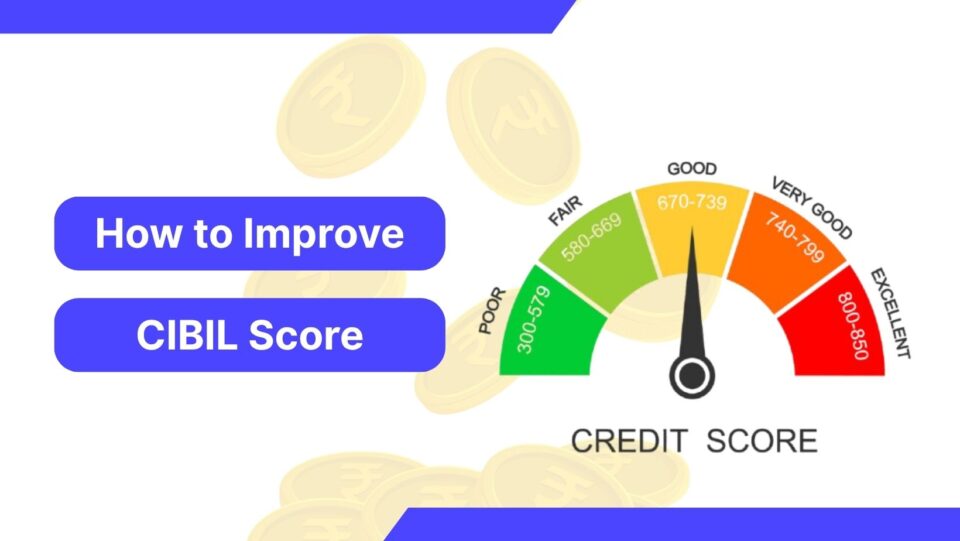
CIBIL Score Range Explained
- 750 – 900: Excellent (best loan offers, low interest rates)
- 700 – 749: Good (most loans approved)
- 650 – 699: Fair (higher interest rates)
- Below 650: Poor (loan rejections likely)
Why Your CIBIL Score Matters
A high CIBIL score helps you:
- Get faster loan approvals
- Qualify for lower interest rates
- Access higher credit limits
- Negotiate better loan terms
- Build long-term financial credibility
On the other hand, a low score can lead to loan rejections or expensive borrowing.
Top Ways to Increase Your CIBIL Score
1. Pay EMIs and Credit Card Bills on Time (Most Important Factor)
Your payment history contributes nearly 35% to your CIBIL score.
What you should do:
- Pay all EMIs and credit card dues before the due date
- Set up auto-debit or reminders
- If short on cash, pay at least the minimum due amount
Avoid:
- Late payments
- Skipped EMIs
- Settlements instead of full repayment
Even one missed payment can negatively impact your score.
2. Keep Credit Utilisation Below 30%
Credit utilisation means how much of your available credit limit you use.
Example:
If your credit card limit is ₹1,00,000, try not to use more than ₹30,000.
Best practices:
- Keep utilisation between 20%–30%
- Increase credit limit (don’t increase spending)
- Use multiple cards wisely instead of maxing out one
High utilisation signals credit dependency, which hurts your score.
3. Avoid Applying for Too Many Loans or Credit Cards
Every time you apply for credit, a hard enquiry is recorded on your CIBIL report.
Too many enquiries = Red flag for lenders
Tips:
- Apply only when necessary
- Avoid “just checking eligibility” offers
- Space out credit applications by at least 3–6 months
4. Maintain a Healthy Credit Mix
CIBIL prefers a balanced mix of credit, such as:
- Secured loans (home loan, car loan)
- Unsecured loans (personal loan, credit cards)
Ideal mix example:
- One long-term secured loan
- One or two credit cards
Relying only on unsecured credit can reduce your score over time.
5. Don’t Close Old Credit Cards or Loans Too Quickly
The length of your credit history matters.
Why old accounts help:
- Show long-term repayment discipline
- Improve average credit age
- Boost score stability
If an old credit card has no annual fee, keep it active with small purchases.
6. Check Your CIBIL Report Regularly for Errors
Errors in your credit report can silently damage your score.
Common mistakes include:
- Loans you never took
- Incorrect outstanding amounts
- Closed loans shown as active
- Wrong payment status
You can check your CIBIL report once a year for free and dispute inaccuracies online.
7. Clear Overdues, Defaults, and Settlements First
If you have:
- Overdue EMIs
- Written-off loans
- “Settled” loan status
Your priority should be full repayment, not settlement.
Important:
A “settled” status is better than default—but still negatively affects your score. Full closure improves recovery faster.
8. Use Credit Cards Responsibly (Not Emotionally)
Credit cards can build or destroy your CIBIL score.
Good habits:
- Pay full outstanding every month
- Use cards for planned expenses
- Track spending regularly
Bad habits to avoid:
- Cash advances
- Minimum-only payments for long periods
- Impulse purchases
9. Be Patient — CIBIL Score Improvement Takes Time
There are no instant fixes or legal shortcuts.
Typical timelines:
- Minor improvement: 1–3 months
- Moderate improvement: 3–6 months
- Major recovery after defaults: 6–18 months
Consistency is the key.
Myths About Increasing CIBIL Score
- Paying someone to “fix” your score overnight
- Closing all loans improves score
- Checking your own score reduces it
- Having no credit history is good
All of the above are false.
Final Thoughts
Improving your CIBIL score is not about earning more it’s about managing credit smarter. Timely payments, low credit usage, fewer applications, and disciplined financial habits can steadily push your score above 750, unlocking better financial opportunities.
A strong CIBIL score is a long-term asset—build it patiently, protect it carefully, and use it wisely.

Desk
Verified JournalistDiscover the latest startup, business, and funding news. Get insights on trends, IPOs, mergers, and acquisitions. Perfect for entrepreneurs, investors.
