
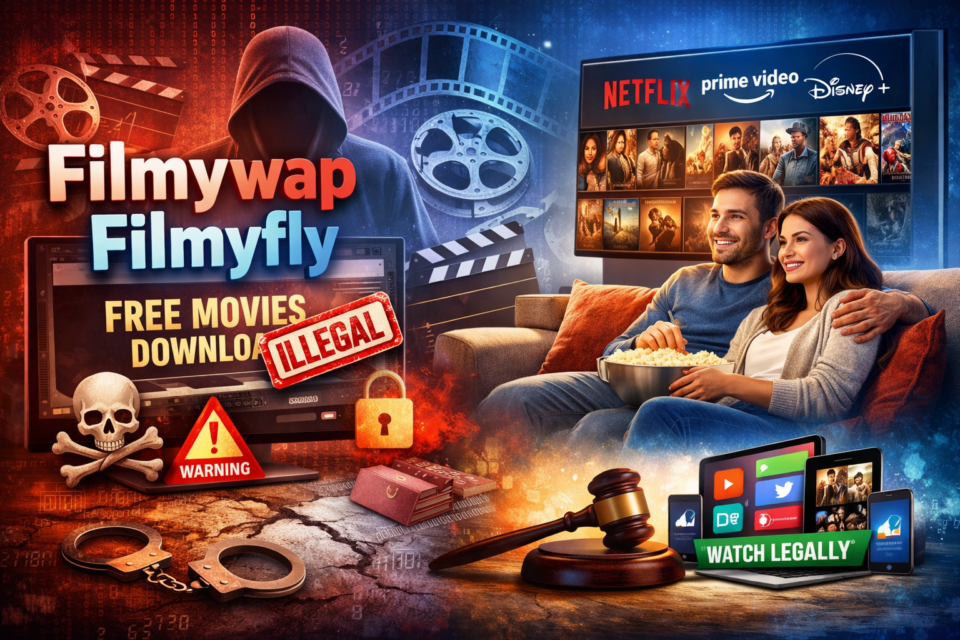
The rapid expansion of digital entertainment has transformed how audiences consume movies and web series. With the rise of OTT platforms and affordable internet access, viewers now expect instant access to the latest content. However, alongside this growth, there has been a surge in searches for terms like download Hindi movies free, latest Bollywood HD download, and free movie websites.
This demand has led to the popularity of platforms such as Filmywap and Filmyfly. These websites are widely known for offering free access to movies, web series, and TV shows. While they may appear convenient, they operate in a legally questionable space and pose significant risks to users.
This article provides a comprehensive analysis of Filmywap and Filmyfly, covering their functionality, popularity, legal implications, risks, and the growing importance of legal streaming alternatives.
Understanding Filmywap
Filmywap is commonly associated with online movie piracy. It is known for hosting and distributing a wide range of content, including Bollywood films, Hollywood movies (often dubbed in Hindi), South Indian cinema, and web series.
One of the key reasons behind its popularity is the speed at which new content becomes available. In many cases, movies appear on such platforms shortly after their theatrical release or digital premiere. This immediacy attracts a large number of users looking for free entertainment.
However, it is important to understand that Filmywap does not have the legal rights to distribute this content. The platform relies on unauthorized uploads, making it part of the global piracy ecosystem.
What is Filmyfly?
Filmyfly operates in a similar manner and targets the same audience segment. It offers downloadable content in multiple formats, including 300MB compressed files, 720p HD, and 1080p Full HD versions.
The platform is particularly appealing to mobile users due to its smaller file sizes and wide content library. It also features dubbed movies, which broadens its reach among non-English-speaking audiences.
Despite these features, Filmyfly remains an unauthorized platform that distributes copyrighted material without permission. Like Filmywap, it frequently changes domain names to avoid being permanently shut down by authorities.
Why These Platforms Attract High Traffic
The continued popularity of such websites can be attributed to several factors.
First, the availability of free content plays a major role. Subscription fatigue is real, and many users are reluctant to pay for multiple OTT services. Free access becomes an attractive alternative.
Second, these platforms offer early access to newly released movies. This creates a sense of urgency among users who want to watch trending films without waiting for official releases.
Third, the availability of multiple formats allows users to choose based on their internet speed and device storage. This flexibility enhances accessibility.
Lastly, the user interface of these platforms is often simple and easy to navigate, making it convenient even for less tech-savvy users.
Legal Implications in India
Despite their popularity, platforms like Filmywap and Filmyfly are illegal under Indian law. They violate the provisions of the Copyright Act, 1957, which protects the rights of content creators and distributors.
Uploading, sharing, or downloading pirated content is considered a punishable offense. Authorities in India regularly block such websites, but they often reappear with new domains or proxy servers.
Legal consequences for engaging with pirated content can include fines and, in severe cases, imprisonment. While enforcement against individual users is less common, the legal framework clearly discourages such activities.
Risks Associated with Piracy Websites
Beyond legal concerns, these platforms expose users to several serious risks.
One of the most significant threats is malware and viruses. Many piracy websites rely on aggressive advertising networks that can inject harmful software into users’ devices.
Data privacy is another major concern. Users may unknowingly share personal information or become victims of phishing attacks through malicious links.
In addition, the quality of content is often compromised. Many files are recorded using unauthorized methods, resulting in poor audio and video quality.
There is also the risk of encountering fake links and scams, which can lead to financial losses or unauthorized access to personal accounts.
Impact on the Entertainment Industry
Movie piracy has far-reaching consequences for the entertainment industry. It affects not only large production houses but also smaller creators and independent filmmakers.
Revenue losses due to piracy reduce the financial viability of film projects. This, in turn, impacts everyone involved in the production process, including actors, technicians, writers, and support staff.
Piracy also discourages investment in new content, as producers face uncertainty regarding returns. Over time, this can limit innovation and reduce the diversity of content available to audiences.
How Piracy Platforms Operate
Websites like Filmywap and Filmyfly use a combination of technical strategies to remain operational.
They often rely on mirror sites and proxy domains, allowing them to quickly shift operations when one domain is blocked. Content is hosted on third-party servers, making it harder for authorities to track and shut down the source.
These platforms also generate revenue through advertisements, pop-ups, and redirects. In many cases, users are exposed to misleading or harmful ads, which serve as a primary income source for these websites.
The Rise of Legal Streaming Alternatives
As digital consumption continues to evolve, legal streaming platforms have become the preferred choice for many users.
Platforms such as Netflix, Amazon Prime Video, and Disney+ Hotstar offer extensive libraries of movies and web series across genres and languages.
Additionally, free platforms like MX Player and YouTube provide legal access to selected content with minimal or no cost.
These platforms ensure high-quality streaming, secure environments, and compliance with copyright laws.
Benefits of Choosing Legal Platforms
Opting for legal streaming services offers several advantages.
Users can enjoy high-definition video and audio quality without interruptions. There are no risks of malware or data theft, ensuring a safe viewing experience.
Legal platforms also provide features such as offline downloads, multi-device access, and personalized recommendations. Most importantly, they support the creators and contribute to the sustainability of the entertainment industry.
The Changing Consumer Behavior
The shift toward legal platforms reflects a broader change in consumer behavior. With increasing awareness about digital safety and content ethics, more users are choosing legitimate sources for entertainment.
Affordable subscription plans and bundled services have further accelerated this transition. As technology advances, the gap between legal and illegal platforms continues to widen in terms of quality and user experience.

Desk
Verified JournalistDiscover the latest startup, business, and funding news. Get insights on trends, IPOs, mergers, and acquisitions. Perfect for entrepreneurs, investors.