
A new Oregon bill takes an extra step to address the ‘anti-consumer practice.’ Apple says such a move presents a security risk.
Oregon may soon become the latest state to pass right-to-repair legislation. Last month, Google lent its support in an open letter, calling Senate Bill 1596 “a compelling model for other states to follow.” The bill, sponsored by a sextet of state senators and representatives, was inspired in part by California SB 244, which Governor Gavin Newsom signed into law in October.
Apple openly supported that bill — a rare endorsement from a tech giant that loves playing it close to the vest. Cupertino is, however, less enthusiastic about certain inclusions in the Oregon legislation that were absent from the California law.
“Apple agrees with the vast majority of Senate Bill 1596,” John Perry, Apple senior manager, Secure System Design, said in a testimony to state lawmakers this week. “I have met with Senator [Janeen] Sollman several times, and appreciate her willingness to engage in an open dialogue. Senate Bill 1596 is a step forward in making sure that the people of Oregon, myself included, can get their devices repaired easily and cost effectively.”
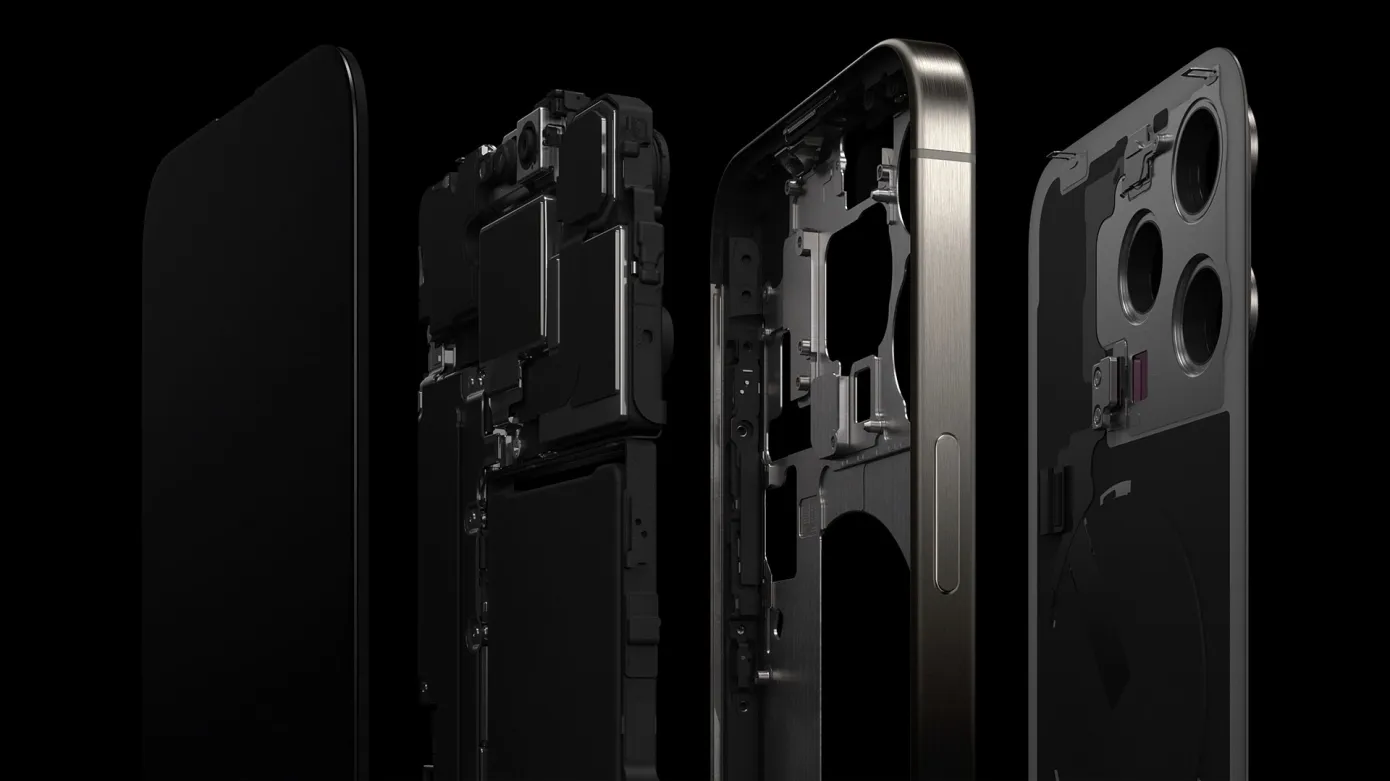
Apple’s major sticking point with the proposed legislation centers around a policy known as “parts paring.” Both iFixit and PIRG (Public Interest Research Group) has criticized the policy, which requires the use of first-party components during the repair process. PIRG, which petitioned the FTC for a ban on the practice late last year, has called it “one of the most pernicious obstacles to right to repair.”
Apple, in turn, has staunchly defended the practice, insisting that the use of some third-party parts could present a security issue for users. T
“It is our belief that the bill’s current language around parts pairing will undermine the security, safety, and privacy of Oregonians by forcing device manufacturers to allow the use of parts of unknown origin in consumer devices,” said Perry. “It’s important to understand why Apple and other smartphone manufacturers use parts pairing. It’s not to make repair more difficult. It is, in fact, to make access to repair easier while also making sure your device — and the data stored on it — remain secure. Parts pairing also helps ensure your device’s optimal performance and the safe operation of critical components like the battery, after a repair.”
Not long after the California bill was passed, iFixit highlighted “seven iPhone parts can trigger issues during repairs” in a New York Times piece. That figure was more than double the three that were identified in 2017 and marked a rise of “about 20% a year since 2016, when only one repair caused a problem.” Apple does some support third-party replacement parts, like batteries and display, though these will often limit certain functionality.

Desk
Verified JournalistDiscover the latest startup, business, and funding news. Get insights on trends, IPOs, mergers, and acquisitions. Perfect for entrepreneurs, investors.